The Generous Listening Groups are built on practice, but also on evidence. From the beginning, we have worked to understand how generous listening affects individual well-being and community connection.
Our research helps us measure this impact, refine our approach, and ensure that what we offer truly supports participants’ emotional recovery and growth.

Our Approach:
Research on the Generous Listening Groups was carried out with a group of 104 participants from the pilot programs in Hatay and Adıyaman.
The study was conducted by independent researchers and designed with strong ethical and privacy standards.
We measure change across four key dimensions that reflect the aims of the program:
1. Belonging / Social Belonging
the sense of being accepted, included, and connected to others.
2. Self-Esteem
How participants view and value themselves.
3. Emotional Awareness
the ability to recognize and understand one’s own feelings.
4. Psychological Resilience
the capacity to recover from challenges and maintain balance after stress.
Participants complete questionnaires before and after the five-week program. The results provide insight into how generous listening shapes personal and collective well-being.
Key Findings:
The research shows that the GL Groups make a measurable difference.
Dimension
Sense of Belonging
Self-Esteem
Emotional Awareness
Psychological Resilience
Change Observed
- 23% increase in participants’ sense of connection and inclusion
- 19% increase in self-worth and confidence.
- 21% improvement in recognizing and expressing emotions
- 17% improvement in coping skills and recovery from stress
In addition to these indicators:
- 82% of participants said they felt more supported and understood by others after completing the program.
- 76% described feeling “more hopeful about the future.”
- 68% reported a noticeable reduction in feelings of isolation.listening shapes personal and collective well-being.
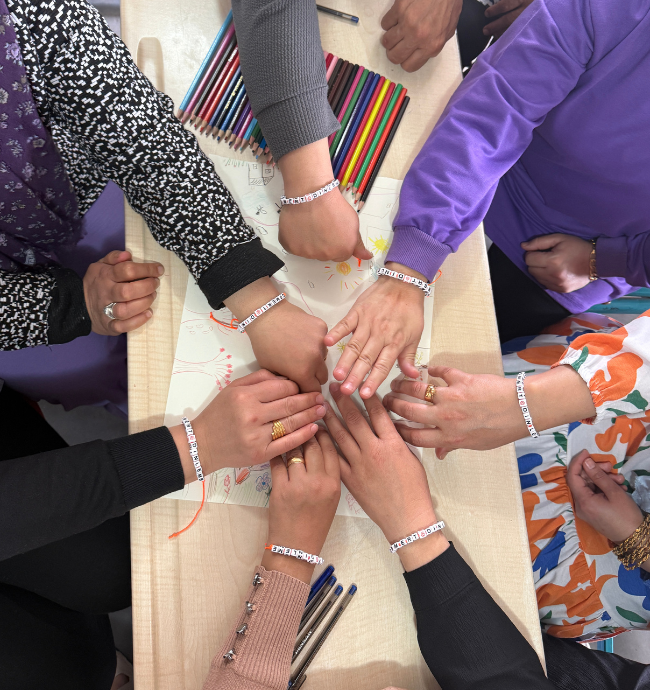

Participants also showed a measurable decrease in symptoms related to post-traumatic stress and depression, reflecting the program’s contribution to emotional recovery.
Generous Listening strengthens the very elements that help people heal: connection, self-understanding, and trust. When participants feel heard and respected, they begin to see themselves not only as individuals who experienced loss, but as members of a supportive community capable of care and renewal.
The research also shows that the effects go beyond individual well-being. As participants reconnect with themselves and others, they rebuild social trust, a foundation for stronger, more resilient communities.
Continuing the Learning
The GL Vuslat Groups are continuously refined through feedback and data. Insights from this research are used to improve facilitator training, strengthen group structures, and guide the design of future programs.
We are also expanding our research in collaboration with academic partners to explore:
- The long-term effects of participation on emotional well-being.
- How Generous Listening can strengthen social cohesion in post-crisis settings.
- How the model can be adapted for universities, workplaces, and community organizations.
Potential Contributions of Research Data on Generous Listening
Analysis of data collected in research on Generous Listening can provide valuable insights across multiple fields:
In Summary
Research combined with generous listening skills can foster greater empathy, understanding, and connection in interpersonal relationships. This approach offers a powerful tool for building healthier and more sustainable relationships at both individual and societal levels.

Crisis
Support Note:
If you are in an immediate crisis, please contact your local emergency number. These groups are not a substitute for therapy but can be a powerful complement to your healing journey.