How It Works
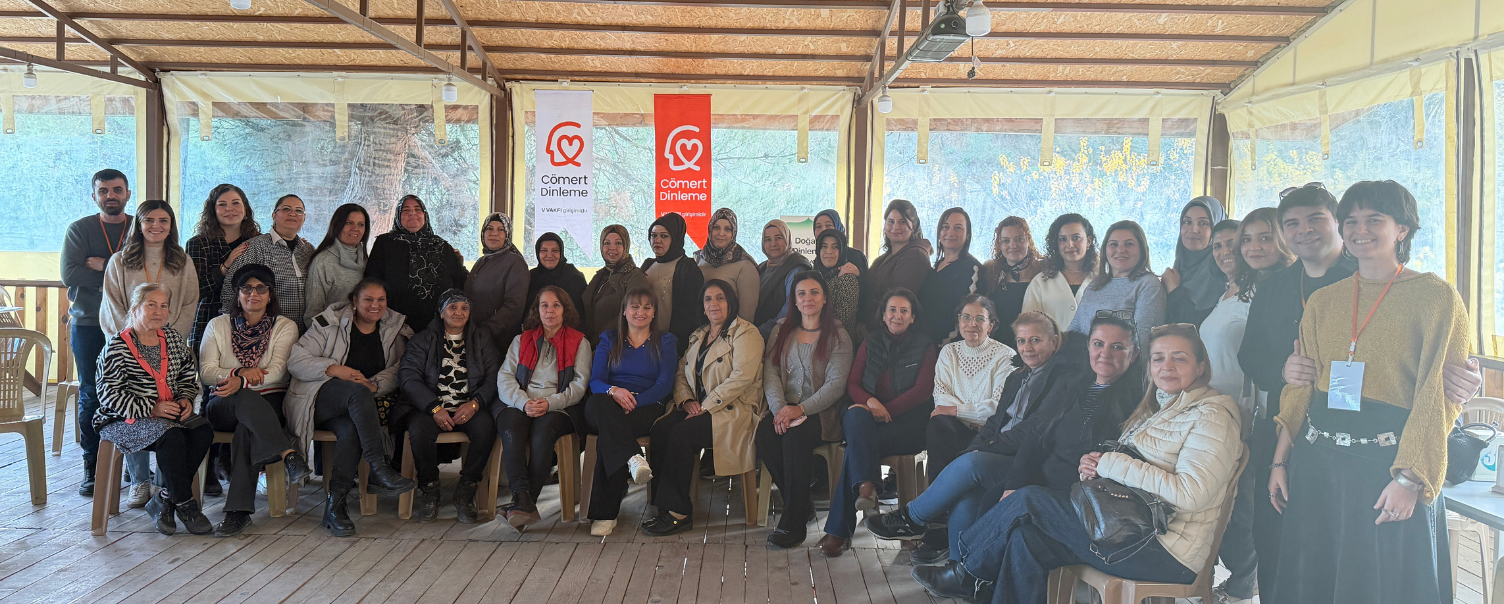
The Generous Listening Groups were created in response to the urgent need for safe spaces after the 2023 Türkiye earthquakes. Initially created for women affected by trauma, the model has since grown into an inclusive program for anyone who wishes to receive emotional support or explore the practice of generous listening.
These groups are not clinical therapy, but facilitated peer-support circles that bring together the expertise of trained psychologists and the transformative practice of generous listening. Through openness, curiosity, and courage, participants find healing in connection, strengthen their resilience, and rebuild a sense of community.
Objectives
of the Groups
At the heart of the program are six key objectives:
Together, these objectives make the groups not just a temporary response, but a scalable and replicable model that can be adapted to various contexts.
1. Provide emotional support and healing:
Create a safe and supportive environment where participants can share their experiences without fear of judgment.
2. Build resilience and coping strategies:
Help participants recognize their own strength and discover practical tools for navigating daily challenges after trauma.
3. Cultivate a culture of generous listening:
Teach and practice the skill of listening to oneself, to others, and to nature with openness and generosity.
4. Empower individuals as change agents.
Enable participants to take ownership of their healing journey and gain the confidence to support others.
5. Strengthen community bonds:
Foster connections that extend beyond the group, laying the foundation for longer-term networks of care.
6. Ensure sustainability and growth:
Train facilitators so that the model can continue to expand, reaching more communities in need.
The Five-Week
Journey
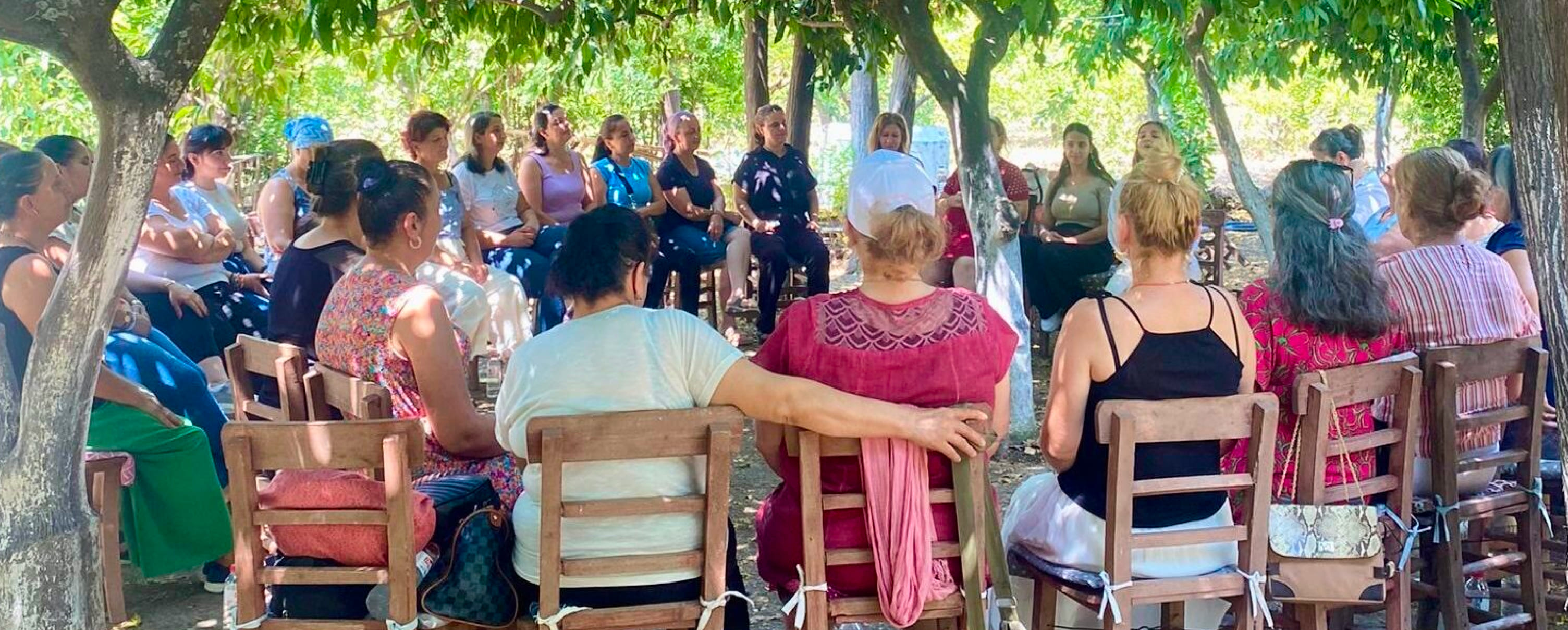
Each GL Group takes participants through a structured five-week arc that develops step by step.
Each GL Group takes participants through a structured five-week arc that develops step by step.
Week 1:
Building Trust and Orientation
The group establishes safety, shared principles, and mutual respect. Participants meet one another and explore the foundations of generous listening.
Week 2:
Listening to Self
Through guided reflections and awareness exercises, participants tune into their emotions, needs, and inner dialogue, strengthening self-connection.
Week 3:
Listening to Each Other
The group establishes safety, shared principles, and mutual respect. Participants meet one another and explore the foundations of generous listening.
Week 4:
Listening to Nature
Grounding exercises and nature-based reflections help participants find balance, calm, and a sense of wider belonging.
Week 5:
Looking Forward
The final week brings closure and hope. Participants reflect on their journey, share gratitude, and explore how to carry generous listening into daily life.
After completing the five weeks, participants are invited to join Continuation Groups, monthly gatherings that bring together past participants from different circles.
These groups help sustain the relationships, sense of belonging, and listening practice that the five-week journey begins.
This journey ensures that participants leave with both emotional relief and practical skills they can carry forward.
Some participants choose to deepen their involvement by joining our Volunteer Facilitator Training. This training equips them to become a Volunteer Facilitator and lead new Emotional Support Groups in their own communities, helping generous listening reach more people.
What to Expect
as a Participant
Group Size & Format
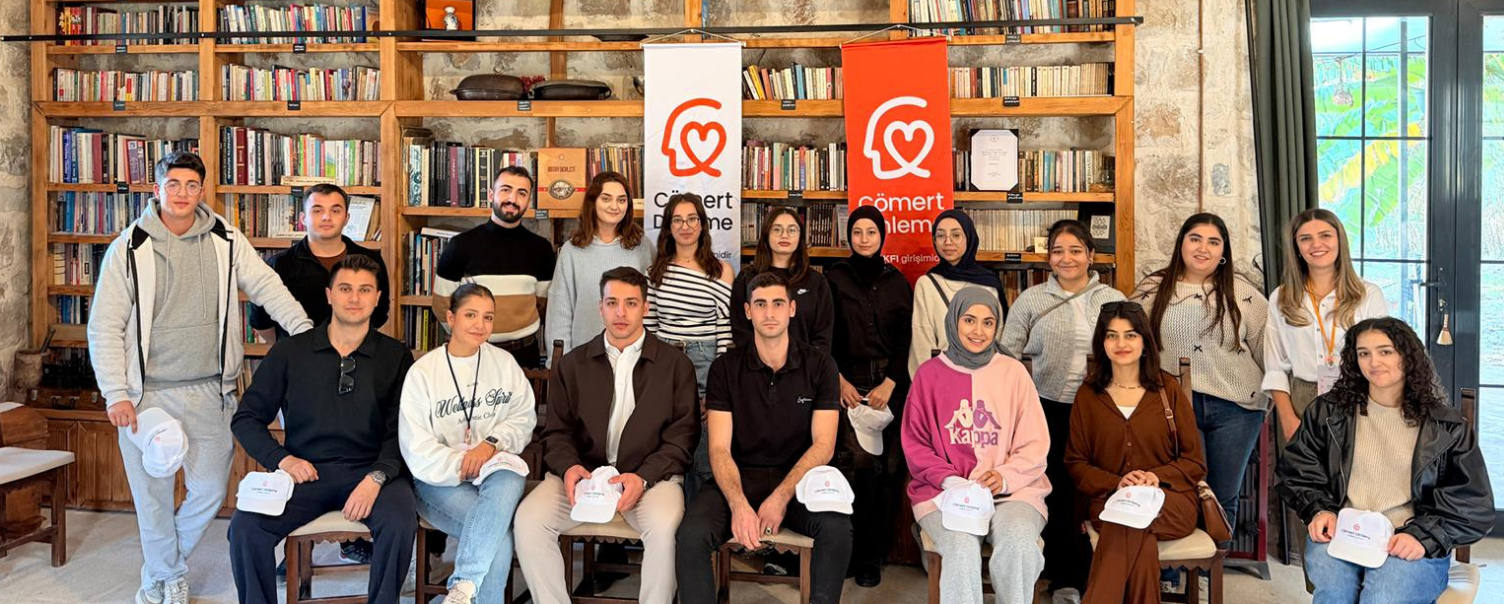
Each group includes up to 12 participants and meets weekly for 90 minutes in an intimate, circle-based setting.
Facilitation
Groups are led by trained facilitators using the comprehensive Generous Listening Group Facilitator’s Guide.
Confidentiality
What is shared in the group stays in the group — a principle reinforced throughout the journey.
Accessibility
Participation is free of charge. Groups are adapted to local contexts and designed to be inclusive for different ages, backgrounds, and needs.
Continuity
While the formal program runs for five weeks, many participants stay connected afterwards, creating ongoing networks of support.

Crisis
Support Note:
If you are in an immediate crisis, please contact your local emergency number. These groups are not a substitute for therapy but can be a powerful complement to your healing journey.